
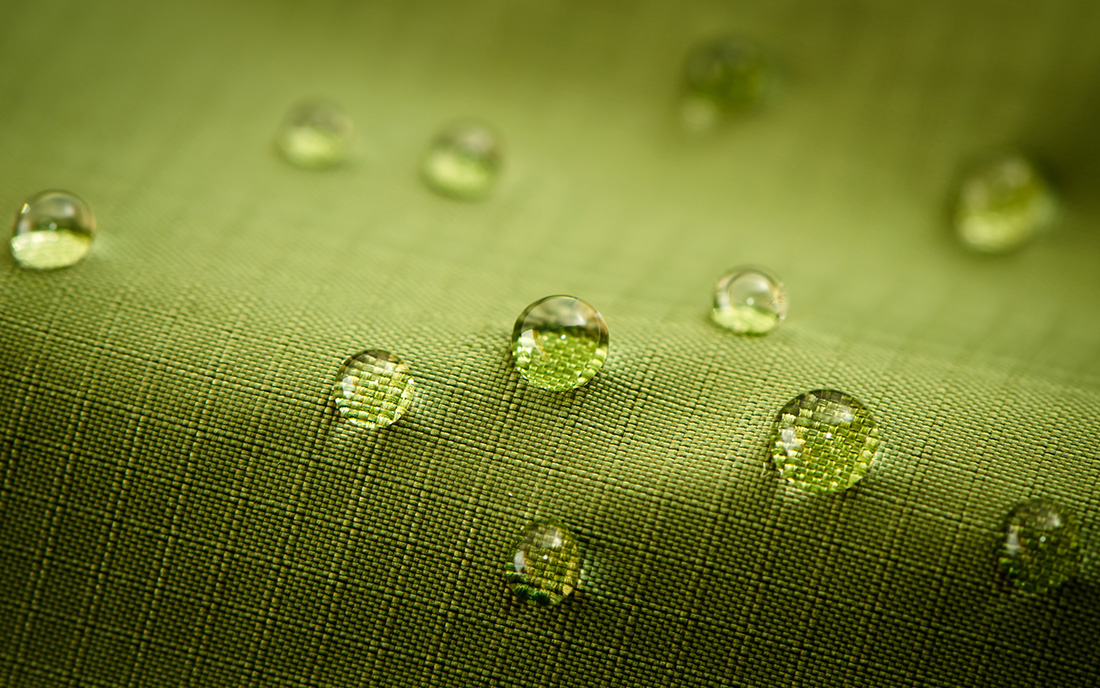
Stain protection doesn’t just prevent spills from becoming permanent—it changes how fabrics behave in everyday life. When properly treated and maintained, upholstery can resist stains, stay cleaner longer, and maintain its original look for years.
But performance doesn’t stop at the treatment itself. How you clean and care for stain-protected fabrics determines how well that protection holds up over time.
This guide breaks down how stain protection works, how to properly clean treated fabrics, and the simple habits that keep upholstery performing at its best.
How Stain Protection Works
Stain protection creates a molecular barrier around each fiber, preventing dirt, liquids, and oils from bonding to the fabric. Instead of soaking in, spills bead up on the surface, making them easier to remove quickly.
This technology delivers several key advantages:
- Prevents absorption of water- and oil-based spills
- Reduces buildup of dry soil and debris
- Maintains breathability and softness
- Preserves the natural look and feel of the fabric
Unlike older treatments, modern stain protection is designed to last through repeated cleanings while continuing to perform.
Why Proper Cleaning Matters
Even with advanced protection, maintenance plays a critical role in long-term performance. The longer a spill sits, the more likely it is to become difficult to remove.
Routine care helps:
- Extend the life of the fabric
- Maintain stain resistance effectiveness
- Preserve appearance and texture
- Reduce the need for aggressive cleaning methods
Stain protection gives you a head start—but proper cleaning keeps that advantage.
The Golden Rules of Upholstery Care
Most stain-protected fabrics can be maintained by following a few simple principles:
- Clean spills immediately
- Blot, don’t rub
- Vacuum regularly to remove dry soil
- Schedule periodic professional cleaning
Prompt action is the single biggest factor in preventing permanent stains.
Understanding Cleaning Codes
Not all fabrics should be cleaned the same way. Industry-standard cleaning codes help guide the proper method:
- W: Use water-based cleaners
- S: Use solvent-based cleaners only
- WS: Either method is acceptable
- X: Vacuum only, no liquid cleaning
Always check the care label before applying any cleaning solution to ensure compatibility and avoid damage.
How to Handle Common Spills
Different types of stains require different approaches. The cleaning chart provided in the guide outlines how to treat a wide range of spills.
Examples include:
- Coffee or chocolate: Clean with warm water
- Grease or oil: Use solvent-based cleaner
- Ink: Apply rubbing alcohol carefully
- Mud: Let dry, then vacuum before cleaning
- Wine or beverages: Use water-based cleaning method
The key is matching the cleaning method to the type of stain and fabric code.
Step-by-Step Spot Cleaning Process
For most stains, the process is straightforward:
- Blot excess liquid immediately using a clean cloth
- Avoid rubbing, which can push the stain deeper
- Apply the appropriate cleaning solution
- Continue blotting with a clean section of cloth
- Allow the area to dry completely
If the stain persists, repeat the process or consult a professional cleaner.
Regular Maintenance for Long-Term Results
Daily wear introduces dirt and particles that can degrade fabric over time. Regular maintenance prevents buildup and keeps fabrics performing like new.
Recommended routine care includes:
- Vacuuming or brushing to remove loose dirt
- Immediate spill cleanup
- Periodic deep cleaning by professionals
This combination preserves both appearance and performance over the life of the fabric.
Special Considerations for Different Fabrics
Some materials require extra care. For example, velvet upholstery should be cleaned with dry-cleaning solutions and brushed in the direction of the pile to maintain its texture.
Testing any cleaning solution on a hidden area is always recommended to ensure it does not affect color or structure.
Stain Protection as a Long-Term Investment
When fabrics are treated with stain protection, they shift from being disposable materials to long-term assets. The treatment allows you to choose lighter colors, softer materials, and more delicate designs without sacrificing durability.
With proper care, stain protection can last for the full usable life of the fabric, reducing replacement costs and maintaining a consistent look across installations.
SBI Finishing: Performance That Lasts
At SBI Finishing, stain protection is engineered to deliver durable, long-lasting performance without altering the fabric’s feel or appearance. Our treatments are designed to withstand repeated cleaning while maintaining their protective barrier.
We support:
- Upholstery and wallcovering applications
- Residential and commercial environments
- Indoor and outdoor performance fabrics
By combining advanced chemistry with proven finishing processes, we help fabrics stay cleaner, longer.
Keep Your Fabrics Looking Like Day One
Stain protection is only as strong as the care behind it. With the right cleaning approach and maintenance routine, your fabrics can maintain their beauty and performance for years.
Place your order or call us at (903) 675-1440.